Start Here
Retirement isn’t the end of the story. It’s the point where, perhaps for the first time, you get to decide what the next chapter looks like.
What will you do with the rest of your life?
Retirement is usually talked about as a destination.
We spend decades working towards it, saving for it and imagining the freedom that will come when Monday morning no longer means an alarm clock, a commute or somebody else deciding what we should be doing with our day.
And that freedom can be wonderful. But after the novelty wears off, another question sometimes appears:
Before you choose a direction
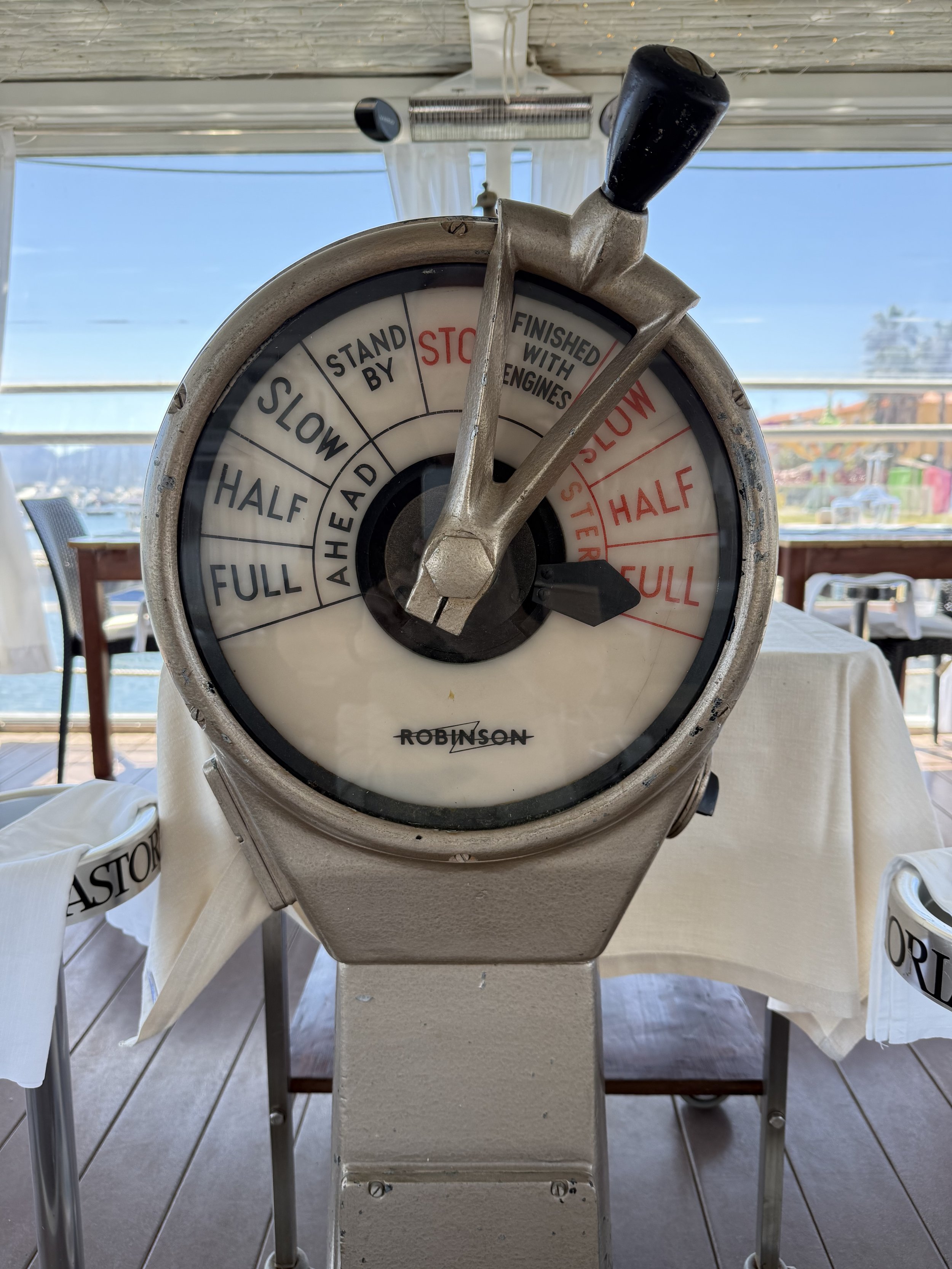
Before a navigator sets a course, they need two things:
A clear starting point.
And some idea of the destination.
Life after work is no different.
Your starting point is not simply your age, your finances or where you happen to live. It is how you feel about your life now. What is working? What feels empty? What are you ready to leave behind? What might need to change within you before changing everything around you?
Then comes the more exciting question:
Where would you genuinely like your life to go next?
You do not need a perfect answer. You just need to begin paying attention to what draws you, energises you and makes you feel more alive.
Where are you now?
Sometimes we know that something needs to change, but we cannot yet see whether the problem is our circumstances, our thinking, or a mixture of both.
Perhaps you feel stuck, anxious or disconnected from yourself. Perhaps old patterns are still shaping the choices you make. Or perhaps life is objectively good, but you have lost touch with what gives it meaning.
ThinkMiracle is there to help you explore that inner starting point through meditation, gratitude, reflection and practical ways of changing unhelpful patterns of thought.
You do not have to know where you are going until you have taken an honest look at where you are now.
Where do you want to go?
For many of us, this is the harder question.
After decades of work, family and responsibility, we become very good at knowing what we should do. We may be less certain about what we actually want.
Purpose does not have to mean starting another business, saving the world or filling every day with activity. It might be creating something, helping someone, learning, travelling, spending more time outdoors, strengthening relationships or simply living with greater curiosity.
The destination is not a rigid plan for the next twenty years.
It is a direction that gives you something to move towards
Questions that may help you find your direction
Do not try to answer all of these at once. Notice which questions stay with you.
When have I felt most alive during the past five years?
What have I always wanted to do, but repeatedly postponed?
What parts of my present life give me energy?
What drains me or makes my world feel smaller?
If nobody else were judging my choices, what might I choose?
What would I regret never attempting?
Who would I like to spend more time with?
What would an ordinary but genuinely good Tuesday look like?
What would I like to learn, create, contribute or experience?
What do I want the next chapter of my life to feel like?
What is one small change I could make during the next thirty days?
Make the destination visible
A Dreamboard is not a magical shopping list or a promise that everything pictured will appear.
It is a way of making your hopes visible.
Collect images, words, places, people and experiences that create an emotional response in you. Do not begin by asking whether they are sensible or achievable. First ask why they attract you.
The value may not be in the literal image.
A sailing boat might represent freedom.
A cottage by the sea might mean peace and simplicity.
A group around a table might reveal a desire for friendship and belonging.
A workshop, camera or notebook might point towards creativity.
As the board develops, look for the themes beneath the pictures. Those themes often tell you more than the individual dreams.
Try this short visualisation
Imagine waking up three years from now and feeling quietly pleased with the life you have created.
Where are you?
What can you see from the window?
Who is part of your life?
How do you spend an ordinary morning?
What are you learning, making or contributing?
What are you looking forward to?
Most importantly: how does that life feel?
Write down whatever arrives before the practical voice begins explaining why it cannot happen.
You do not need the whole route
A destination gives you direction, but it does not remove uncertainty.
You may change your mind. Circumstances may change. A dream may lead somewhere unexpected. That does not make the exercise pointless. It means you are navigating rather than drifting.
Choose one small experiment:
Visit the place.
Take the class.
Make the call.
Join the group.
Begin the project.
Spend one day living slightly more like the person you want to become.
Clarity often comes after movement, not before it.
You do not need to redesign your whole life today.
You only need to take the next deliberate step.
What now?
For years, work gave us structure. It gave us people, problems to solve, a reason to get up in the morning and, whether we realised it or not, a large part of our identity.
Then one day it stops.
I don’t think the answer is to recreate the working life we’ve just escaped. But neither do I believe the next twenty or thirty years should simply be an extended holiday.
For me, a good life after work seems to revolve around four things.
Purpose
What gets you out of bed when nobody needs you to go to work?
One of the things that surprised me about retirement was how quickly freedom could begin to feel strangely empty.
I’d spent years dreaming about having complete control of my time. Then I got it and discovered that having nothing you have to do isn’t quite the same as having something you want to do.
Work gives us purpose almost by accident. There are customers, colleagues, deadlines and problems. People expect things from us. We are useful.
Take all of that away and it’s surprisingly easy for the days to become comfortable but indistinguishable.
I don’t think purpose after work needs to mean starting another business or embarking on some enormous project. It can be learning something, creating something, helping somebody, looking after a garden, restoring a boat, writing a book or becoming fascinated by something you knew nothing about six months ago.
The important thing is that there is something pulling you forward.
Something you’re curious about.
Something that occasionally frustrates you.
Something that makes tomorrow slightly different from today.
I’ve discovered that I still need projects. I still need to learn. I still need to feel that I’m growing rather than simply filling time.
Perhaps purpose isn’t about being important.
Perhaps it’s simply about having a reason to be interested in tomorrow.
Relationships
Retirement doesn’t just change your working life. It changes the lives around it.
This one perhaps doesn’t get talked about enough.
Two people can spend decades building a perfectly good relationship while simultaneously spending most weekdays apart.
Then retirement arrives and suddenly they’re together. All. The. Time.
The routines change. The roles change. Sometimes the finances change. Children have their own lives. Friendships that were connected to work can quietly disappear.
And underneath all of that, both people are changing too.
I think one of the mistakes we can make is assuming that a good relationship means wanting exactly the same life.
It doesn’t.
There should be shared adventures, shared dreams and plenty of time together. But there also needs to be room for two individuals to remain individuals.
Your partner doesn’t have to love sailing because you do. You don’t have to share every hobby, every friendship or every ambition.
And beyond our closest relationship, we still need people.
Making friends at twenty-five happens almost accidentally. At sixty-five it can require effort. We have to go somewhere, join something, invite somebody for coffee or be the person who sends the message rather than waiting for somebody else to do it.
Relationships need maintaining just like bodies do.
Because ultimately a beautiful house, financial security and complete freedom aren’t worth very much if we have nobody with whom to share our lives.
Health & Energy
A big life becomes difficult if our physical world keeps getting smaller.
Getting older changes the bargain.
At twenty-five, we can neglect ourselves fairly comprehensively and somehow the machinery keeps working. Later in life, maintaining it requires rather more conscious effort.
But I don’t want health to become the purpose of retirement either.
I don’t particularly want to spend the rest of my life counting calories, chasing biomarkers and trying desperately to postpone something that eventually happens to all of us.
I want to be healthy enough to live.
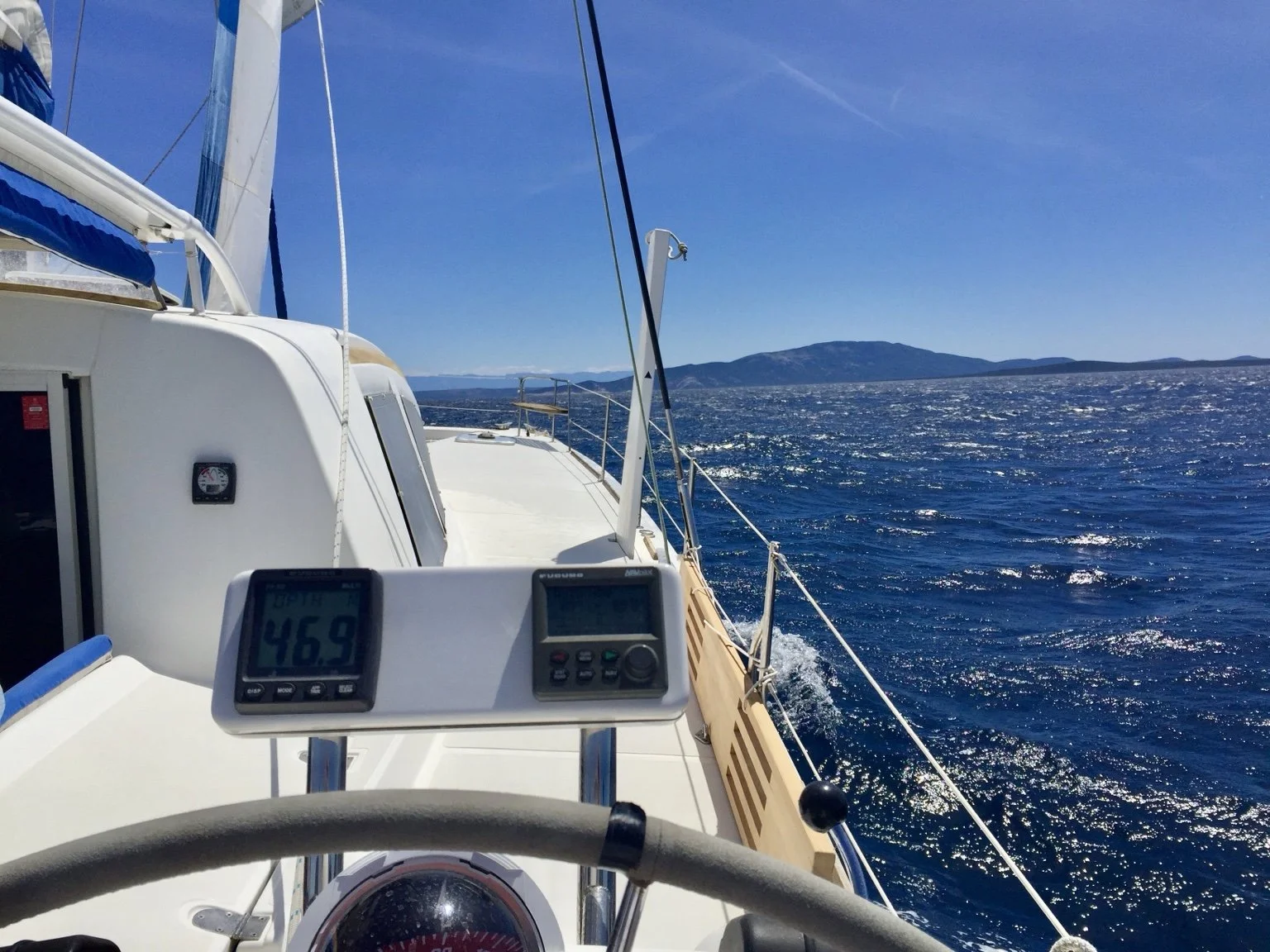
Healthy enough to climb onto a boat, cycle somewhere I’ve never been, walk up a hill, travel, carry my own bags, play with grandchildren, swim in the sea and say yes to something unexpected without first wondering whether I’m physically capable of doing it.
That means moving.
Strength matters. Balance matters. Flexibility matters. Food and sleep matter. Our mental health matters too.
And increasingly I think the greatest danger isn’t necessarily becoming old. It’s gradually behaving old.
We stop doing something because it’s slightly uncomfortable. Then something else. We drive instead of walking. We avoid the stairs. We decide a journey sounds like too much trouble.
Our world gets smaller almost without us noticing.
I can’t prevent ageing.
But I can keep pushing gently against that shrinking world for as long as possible.
Not because I particularly want to live to 100.
Because I want to be alive while I’m living.
Adventure
You don’t have to sail across an ocean. But don’t stop doing things that make you feel alive.
Adventure means different things to different people.
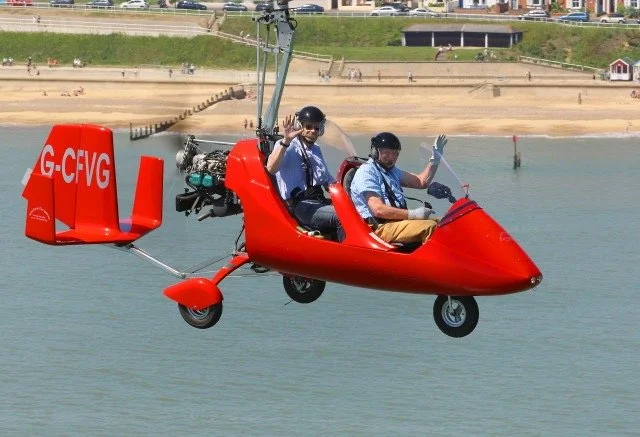
For one person it might genuinely be crossing an ocean. For somebody else it might be taking a train to a town they’ve never visited, learning Italian, buying their first motorcycle at sixty, joining a choir or simply walking into a room full of strangers.
The scale doesn’t matter.
The feeling does.
Adventure begins somewhere around the edge of our comfort zone.
As we get older, there are perfectly sensible reasons to become more cautious. We know more about what can go wrong because we’ve spent a lifetime watching things go wrong.
But there is a danger in eliminating every risk.
A completely safe life can become a very small one.
Some of the experiences I value most began with uncertainty. Boats. Travel. Businesses. Relationships. Moving countries. Writing. Trying things I wasn’t entirely sure I could do.
Some worked beautifully.
Some were complete disasters.
But almost all of them gave me something.
I don’t believe getting older means behaving recklessly. Quite the opposite. Experience should make us better at understanding risk, rather than frightened of taking any.
Keep travelling.
Keep learning.
Occasionally take the wrong road.
Talk to somebody you don’t know.
Try something you’re probably going to be bad at.
Have something in the diary that you’re genuinely excited about.
Because I suspect one of the secrets of ageing well is remarkably simple:
Don’t stop being curious about what happens next.
There isn’t a formula
I’m not an expert on retirement.
I’m simply living it.
I’ve got things right, got plenty wrong, changed direction more than once and discovered that the life I thought I wanted wasn’t always the life that actually made me happy.
A Restless Heart is where I share what I’m learning along the way.